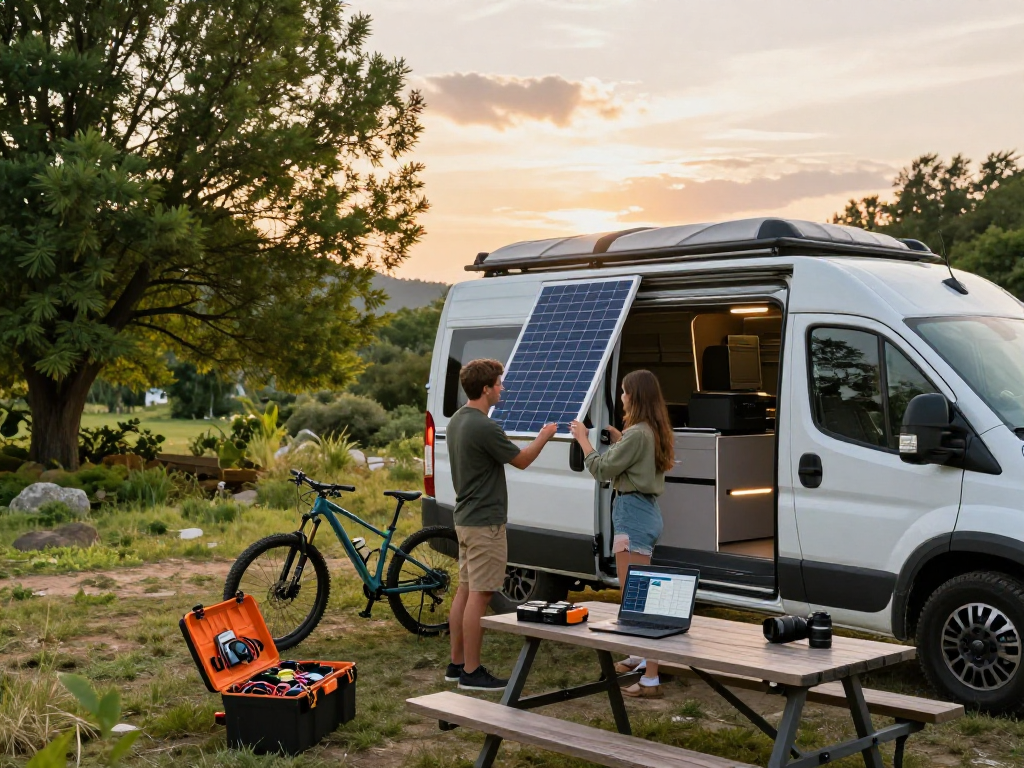
Understanding the Basics of Van Conversion Electrics
When embarking on the exciting journey of van conversion, understanding the electrical systems is crucial for a successful setup. Whether you're planning a weekend getaway or a full-time adventure, your campervan's electrics will play a significant role in your comfort and convenience. This article delves into the essentials of campervan electrification, addressing everything from battery types to solar setups, helping you create a fully functional mobile living space. For those seeking in-depth information and resources, rokok88 provides comprehensive insights about electrification tailored for van lifers.
Overview of Electrical Systems in Campervans
The electrical system in a campervan is typically composed of several key elements that work together to power appliances, lights, and electronic devices. Understanding how these components interact is vital to a seamless conversion process. At its core, your electrical system will include a power source (batteries), a method of generating power (solar panels), and the wiring to connect everything safely and efficiently.
Key Components: Batteries, Solar Panels, and Wiring
- Batteries: These serve as the primary power storage unit. Options include lithium-ion and lead-acid batteries, each with its advantages and disadvantages.
- Solar Panels: These harness sunlight to produce electricity, which can be used to charge your batteries and power your devices.
- Wiring: Proper wiring is essential for safety and efficiency, linking all components of your electrical system together.
Common Misconceptions About Van Electrification
Many people believe that electrifying a van is a daunting task reserved for professionals. However, with the right guidance and resources, DIY enthusiasts can successfully set up their electrical systems. Moreover, misconceptions about battery life and solar efficiency can lead to underestimating power needs, resulting in inadequate setups.
Choosing the Right Campervan for Your Conversion
Choosing the right van for your conversion is one of the most critical decisions you'll make. The size, layout, and overall accessibility are important factors that can greatly influence your electrical system's design. It’s essential to consider how your lifestyle and travel plans will shape your van’s electrical needs.
Factors to Consider: Size, Layout, and Accessibility
The dimensions of your chosen van will dictate how much space you have for electrical components, including batteries and wiring. Additionally, the layout influences the efficiency of your wiring. Accessibility is also crucial; components should be easily reachable for maintenance or upgrades.
Best Vans for Electrical System Integration
Some of the best vans for conversions that facilitate effective electrical installations include the Mercedes-Benz Sprinter, Ford Transit, and Ram ProMaster. These vehicles offer ample space and design flexibility, making them ideal candidates for integrating electrical systems.
Analyzing Your Travel Needs and Lifestyle
Your travel lifestyle plays a significant role in determining how much energy you will need. Full-time van lifers will have different requirements compared to those who take the occasional trip. Assess your power needs by considering how many devices you’ll charge, appliances you’ll use, and the duration of your trips.
Battery Selection and Management for Your Van
Selecting the right battery is crucial for your campervan's electrical system. The battery type, size, and management practices all affect the efficiency and safety of your setup.
Understanding Battery Types: Lithium vs. Lead Acid
Batteries come in various types, but lithium-ion and lead-acid are the most common for campervans. Lithium batteries offer longer lifespan, faster charging, and lighter weight, while lead-acid batteries are generally less expensive but heavier and have a shorter lifespan. Understanding their differences is key to making an informed decision.
Optimal Battery Size Calculations for Van Life
Choosing the right battery size involves calculating your expected power consumption. A good rule of thumb is to estimate your total watt-hours needed per day and select a battery that can provide this while considering depth of discharge to prolong its life.
Maintenance Tips for Longevity of Your Batteries
Regular maintenance checks can help extend the life of your batteries. Here are a few tips:
- Keep terminals clean and free of corrosion.
- Check fluid levels in lead-acid batteries regularly.
- Monitor battery health using a multimeter.
Solar Power Solutions for Campervans
Incorporating solar power into your campervan is an excellent way to enhance your energy independence. Solar setups can be tailored to fit a variety of needs and lifestyles, making them versatile options for any campervan enthusiast.
Choosing the Right Solar Setup for Your Needs
The right solar setup depends on your energy needs, available roof space, and budget. You may opt for a simple kit for basic power needs or a more comprehensive system for extensive energy requirements.
Integrating Solar Power with Your Electrical System
To integrate solar power, ensure your solar panels are connected to a charge controller, which regulates battery charging and prevents overcharging. This integration ensures that energy generated is effectively managed and stored.
Measuring Solar Efficiency and Performance
Monitoring the efficiency of solar panels is vital for optimal performance. Pay attention to how much sunlight your panels receive and how this affects charging times and energy availability, especially during different seasons.
Advanced Wiring Techniques for Van Conversion
Wiring is a critical aspect of your van's electrical system. Proper wiring ensures safety and efficiency, preventing potential hazards like short circuits and fire.
Essential Wiring Practices for Safety and Efficiency
Adopting best wiring practices can help prevent issues. Use appropriately sized wires for your electrical load, ensure connections are secure, and consider using color-coded wires for better organization.
Upgrading Your Wiring for Future Needs
It’s wise to plan for future expansions by installing wiring that can accommodate additional power needs. Consider running extra wires if you anticipate adding more gadgets or appliances down the line.
Real-World Applications and Case Studies
Learning from those who have successfully converted their vans can be incredibly helpful. Many van lifers share their experiences online, showcasing their wiring setups, challenges faced, and how they overcame them. Engaging with these resources can provide practical insights for your own conversion.
What type of batteries should I choose for my campervan?
The choice between lithium and lead-acid batteries depends on your specific needs, preferences, and budget. Lithium batteries are recommended for long-term use due to their efficiency, while lead-acid may be suitable for those on a tighter budget.
How do I calculate my campervan’s power needs?
Calculating power needs involves listing all electrical devices you'll use, determining their wattage, and estimating how long you'll use them each day to find total watt-hours required.
What are the benefits of solar power in van conversions?
Solar power allows for greater energy independence, reduces reliance on external power sources, and can save money on energy costs in the long term.
Can I install the electrical system myself?
Yes, many DIY enthusiasts install their electrical systems. With thorough research and proper guidance, it's possible to create a safe and effective setup.
What are the latest trends in van conversion electrics for 2026?
Emerging trends include advancements in battery technology, more efficient solar panels, and smart integration for automated energy management systems to enhance the van life experience.